

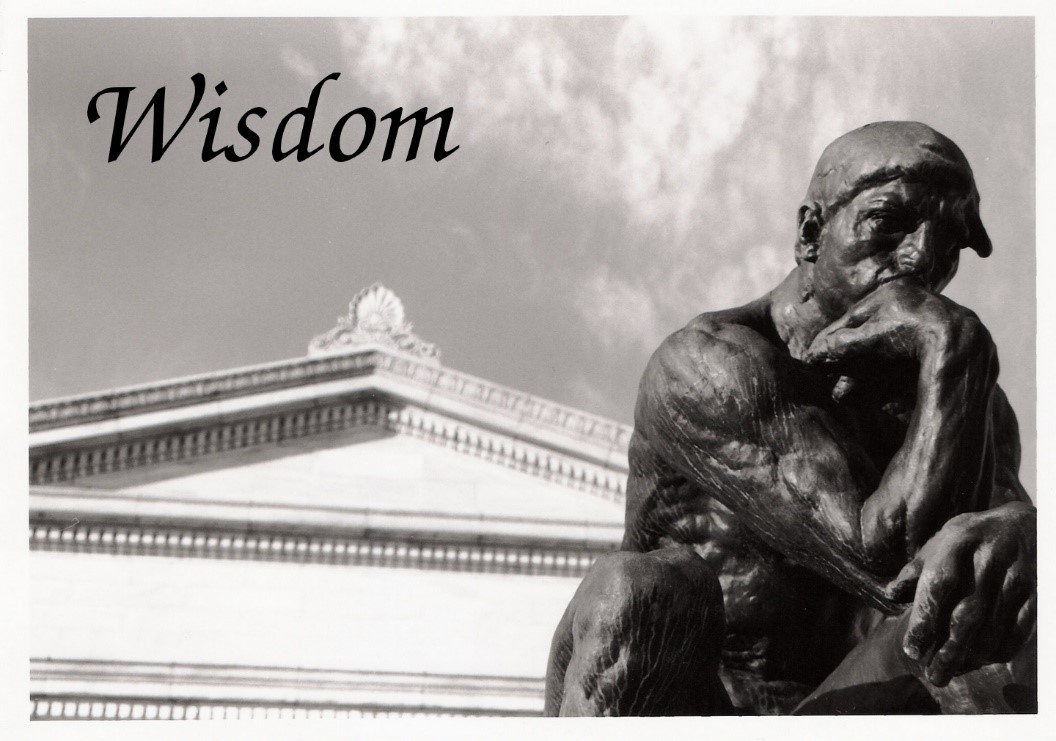
Growing up under my grandfather’s watch, with hands constantly busy in chores, I unknowingly enrolled in what I now call the real university. It was not built with lecture halls or academic titles, but with lived experience. It existed in the quiet evenings where old men gathered, sharing stories over mugs of local brew, speaking slowly, deliberately each word carrying the weight of years.
Every so often, a different kind of man would arrive. Not loud, not seeking attention but rare. The kind who spoke little, yet when he did, it felt like he had opened his mind and poured out something ancient truths that stayed with you long after the conversation ended.
This is part II of those lessons. One of the most striking lessons was about boundaries. Being good, without limits, is not virtue it is vulnerability. In simple terms, even goats that wander freely without protection eventually get eaten. Kindness, therefore, must be guarded. In today’s context, this translates into how we manage access to ourselves. Not everyone deserves your time, your energy, or your attention. If interactions consistently leave you drained, unhappy, or unsettled, it is not just a social inconvenience it is a strategic risk. Protecting your mental and emotional space is not selfish; it is necessary.
Another lesson was about fear and opportunity. The moves we hesitate to make are often the very ones that lead to growth. Many people stand at the entrance of opportunity but never walk through, not because the door is locked, but because they overthink the act of opening it. Progress requires action. Knocking on many doors increases the chances that one will open. Waiting for certainty often leads to stagnation.
There was also a clear warning about charity and responsibility. Generosity is admirable, but without structure, it can become destructive. Supporting others while your own foundation is unstable creates long-term strain. Before extending help outward, it is essential to secure your base. Strength at home enables sustainable generosity; without it, even good intentions can lead to collapse.
Recklessness was another topic spoken about with seriousness. Good health is not a matter of luck it is the result of consistent discipline. The choices made in moments of excitement, carelessness, or pressure can have lasting consequences. One irresponsible decision can alter a career, a reputation, or an entire life path. Protecting your well-being is not optional; it is a responsibility to your future.
There was also clarity around self-respect. Walking away from situations that diminish or disrespect you is not a loss it is a decision rooted in dignity. Sometimes what we leave behind may later appear attractive or successful, but that does not change what it was when we experienced it. If it was harmful, it remains so. Growth requires the courage to leave what does not align with your value.
Finally, there was a lesson that remains deeply relevant today: peer pressure is expensive. Many people find themselves financially strained, not because of lack of income, but because of the need to impress others. Often, those they are trying to impress are facing the same struggles. Living beyond one’s means for validation is a silent drain on progress. True stability comes from discipline, not display.
These lessons, though shared in simple settings, carry profound relevance. They are not theories, but principles tested over time. They remind us that growth is not just about ambition it is about awareness, discipline, and the courage to make decisions that protect our future.
Because in the end, the real university does not give certificates. It gives wisdom if you are willing to listen.
I remain, Mr Strategy.