
In most organizations, staff work harder than their bosses ever know. They push deadlines, stay late, sacrifice weekends, and show up every day with commitment and resilience. Yet, their voices remain muted, their struggles invisible. Policies are drafted for employees, not with them in mind. HR departments often measure activities, trainings held, leave days approved, or workshops conducted, instead of outcomes that truly reflect employee productivity. Boards applaud glossy PowerPoint slides about “employee engagement,” while in reality, a silent wave of disengagement grows within the workforce. This silence is dangerous. It erodes trust, kills innovation, and slows execution. Culture Is…
Secure your seat, be part of the conversation that shapes tomorrow
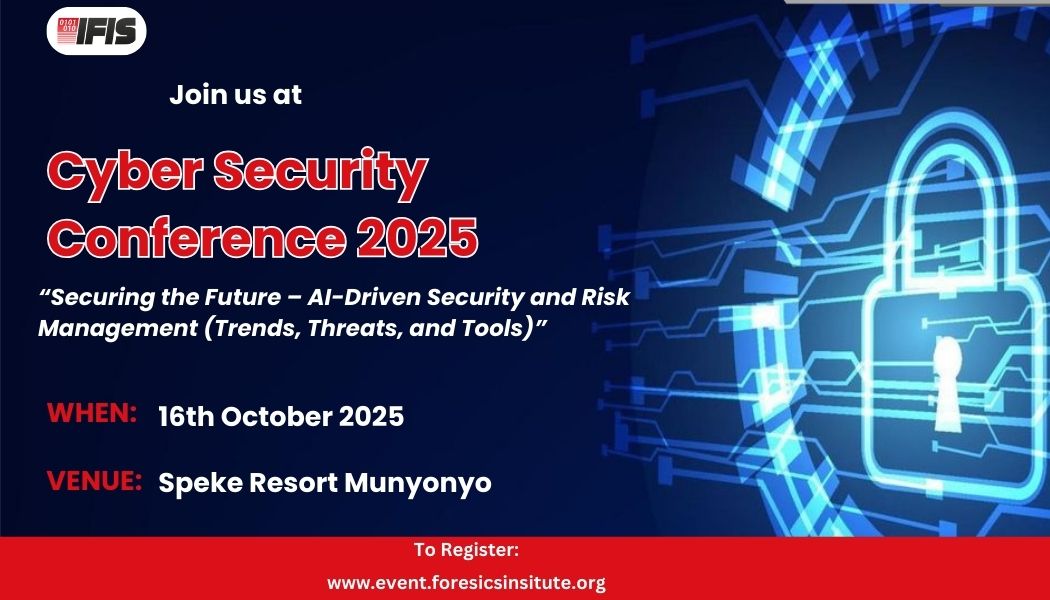
The world of cybersecurity is moving at unprecedented speed. Every day, new threats emerge, smarter, faster, and more sophisticated than ever before. Yet, the tools and strategies to counter these threats are advancing just as rapidly. Staying ahead requires more than awareness; it demands access to cutting-edge insights, proven practices, and a network of forward-thinking experts. On 16th October 2025, industry leaders, AI innovators, risk management professionals, and decision-makers will gather at the Cyber Security Conference 2025, hosted at the prestigious Speke Resort Munyonyo. Under the theme “Securing the Future – AI-Driven Security and Risk Management (Trends, Threats, and Tools)”,…
Cybersecurity Awareness Month – October 2025
Theme: Securing the Future: AI, Awareness & Action Every October, the world pauses to ask: Are we truly safe online? This year, Uganda stands united with the global community to fight back against cyber threats, armed with tools, training, and truth. From CEOs to students, accountants to developers, everyone is the first line of defense. The Institute of Forensics & ICT Security (IFIS) invites you to join the movement as we launch a long campaign to raise awareness, strengthen cyber resilience, and equip organizations with practical skills to protect against ever-evolving digital risks. In October, free cybersecurity training will be…
Leadership Readiness Assessment
Assessing leadership readiness is key to identifying individuals who have the potential to take on greater responsibilities and drive organizational success. This process evaluates core competencies such as decision-making, communication, emotional intelligence, and adaptability. By understanding strengths and development areas, organizations can tailor training and support to prepare future leaders effectively. Investing in leadership readiness ensures a strong pipeline of capable leaders ready to face tomorrow’s challenges. Enter your email below to receive your results. Subscribe to our Be Transformed newsletter. NameEmail Download here the Readership Readiness Assessment scorecard
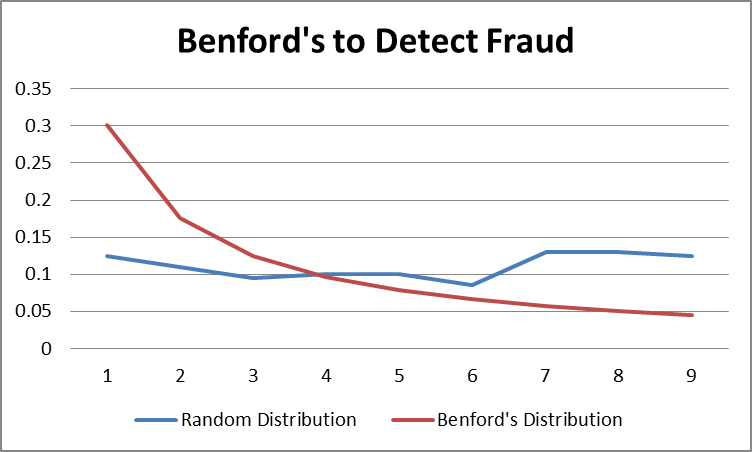
Fraud analytics using Benford’s Law
Investigations can be extremely stressful, especially if they involve the analysis of a large volume of data. You need the right analytics tools to examine the possible patterns of fraudulent occurrences if they exist in any large data set. The use of data analytics is a powerful fraud prevention, detection, and investigation tool, and an important part of an effective and holistic fraud risk management program. Benford Law comes in handy for fraud investigations. Despite its complexity to grasp at first, it provides an extra method for fraud examiners to test data for potentially fraudulent activity. Here’s more on what…
Cybersecurity Awareness Month, October 2025. Theme: Securing the Future – AI, Awareness and Action
Let us be honest: most cyberattacks do not succeed because hackers are brilliant. They succeed because someone… clicked. A lazy password, a fake invoice, and a staff member who “didn’t think it mattered.” This October, that changes. Uganda joins the global fightback against digital threats, not with jargon, but with action. Free training, live demos, and real conversations. Not just policies but mindset shifts. Who should care? CEOs: Cyber risk is now a boardroom issue. Bankers: AI fraud is already here. Schools: Your students are targets. Developers: Code is not neutral anymore. What will happen? a) Free cybersecurity awareness sessions…