In 2018, I got the opportunity to partner with a mid-sized Kenyan insurance firm that had just survived a UGX 3.1 billion fraud. After the high-level briefing, the Audit Committee chair turned to me and asked: “How do we prevent this from ever happening again?” The CRO proudly talked about their 200-page risk policy, written in perfect grammar but entirely useless. Why? Because they had no tool to translate risk awareness into action. That’s when I introduced them to actionTEAM. Six months later, the same CEO sent me a WhatsApp message: “This tool saved us from a costly customer onboarding risk we didn’t…
Transform your EXCO into board-level strategists
Dear CEOs, Boards don’t fail from lack of updates; they fail from lack of insight. When EXCOs merely report activity, the board fills the strategic vacuum. I have seen it across sectors: talented executives getting second-guessed not because they are wrong, but because they never framed the right question. Our Future Ready Board Training is built to solve that. It equips your executive team to shape boardroom conversations, link decisions to strategy, and manage up, not just manage down. Strategy collapses when executives treat board papers like paperwork. This training helps your EXCO turn operational data into board-level intelligence anchored…
Board’s role in risk management
In the cattle corridor of Uganda, there’s an old saying: “He who leaves his kraal gate open invites the hyenas to feast.” One evening in Kiruhura, I watched a young boy, barely ten, tie a thin strand of banana fibre across the gate and claim the cows were safe. “That is how papa does it,” he said. By dawn, three cows were gone. No alarm, no lock, and just misplaced confidence disguised as tradition. This is how most boards handle risk. They assume the presence of a “risk register” is enough. That someone somewhere is doing the real watching. Like…
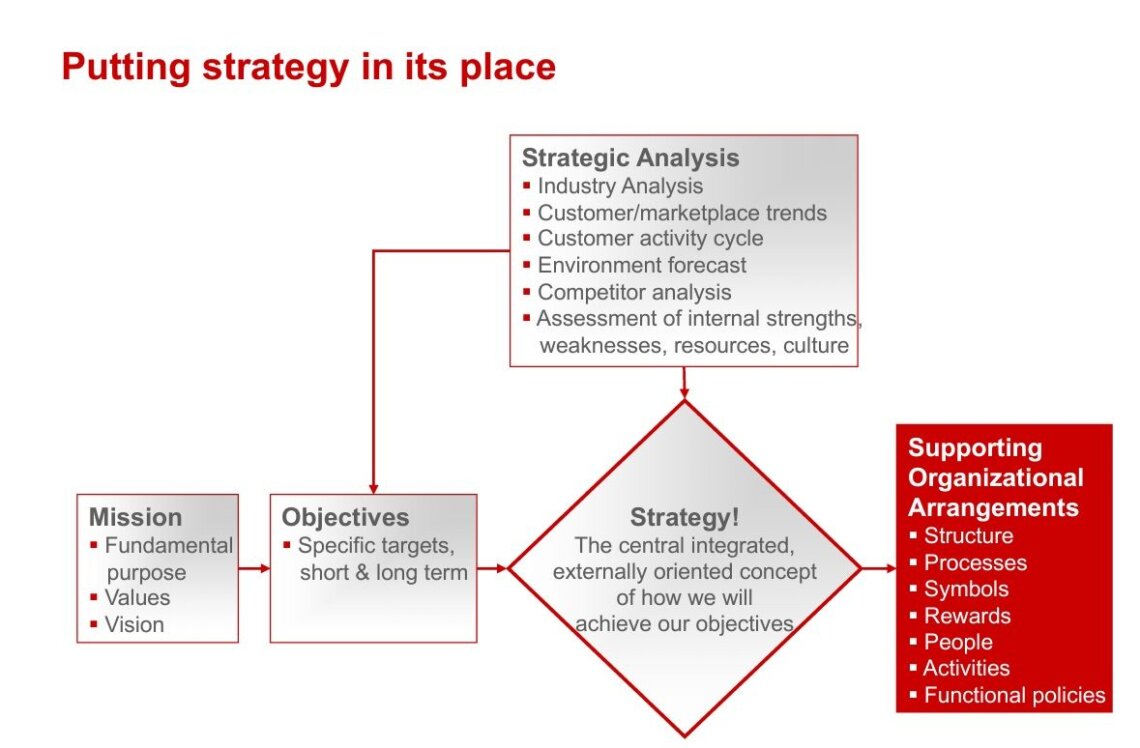
Lay the groundwork before crafting a strategy
I once halted a strategy retreat 12 minutes in. The CEO had flown all his regional heads to a lakeside resort, loaded PowerPoint decks, and had consultants ready. But when I asked him, “What’s the problem you’re solving?” he looked at me, blinked, and said, “We want a strategy.” That’s like a man erecting a structure before knowing whether he needs shelter, a shop, or a shrine. Here’s the real order of business, something many consultants won’t tell you: a) Start with your mission. Not the nonsense you slap on your website, but your true reason for existing. Why should…
Mastering Fraud Detection: How Data Analytics Can Protect Your Organization
In today’s fast-paced digital world, fraud has evolved into a sophisticated threat that no organization can afford to ignore. From procurement scams and payroll fraud to cyber-enabled financial crimes, the landscape is constantly shifting. Traditional detection methods simply aren’t enough anymore. That’s why professionals across industries are turning to data analytics a powerful toolset that reveals hidden patterns, uncovers anomalies, and strengthens internal controls. If you’re serious about protecting your organization or advancing your career, mastering fraud detection using data analytics is no longer optional; it’s essential. Why This Course Is a Game-Changer The “Fraud Detection Using Data Analytics” course offered by Summit Consulting Ltd is…
The 3 leadership habits that kill momentum in your organization
Five years ago, while coaching senior managers at a pension fund in Uganda, we launched an ambitious transformation program. The board had approved it. The funds were ready. Staff were motivated. We were roaring to go. Then… nothing. Three months in, the energy fizzled out. Staff went back to old routines. Managers defaulted to firefighting. The momentum died. Everyone blamed “resistance to change.” But that was a lie. The truth was uglier. I diagnosed the problem. Deeply. It is not superficial, like how most consultants send you generic reports after Googling your sector. No. I met the staff. I observed…